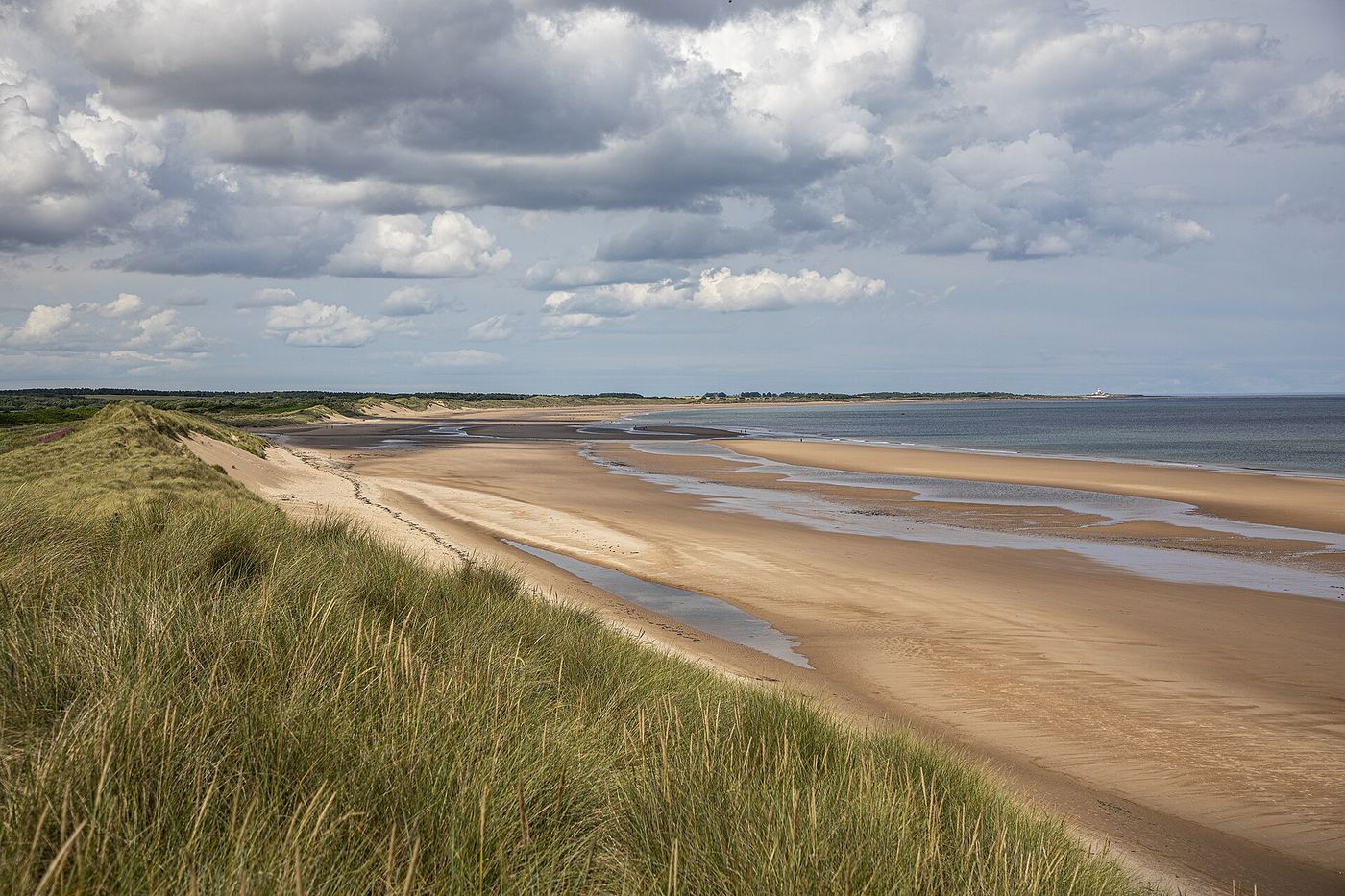
Marram grass on the dunes above Druridge Bay

Guide

Pension foundations

Almost every early-retirement conversation in the UK sits on three layers: the State Pension you build through National Insurance, the workplace scheme your employer pays into, and any personal pension or SIPP you fund yourself. They start at different ages and they are taxed differently.

Layer one

State Pension

For 2026/27 the full new State Pension is £241.30 a week, which is £12,547.60 across a year. You usually need 35 qualifying years for the full new rate, and at least 10 qualifying years before any new State Pension is paid. People with a record before April 2016 may have a starting amount that is higher or lower than a simple year-count suggests, especially if they were contracted out of additional State Pension.

State Pension age is no longer a single birthday. It is 66 for many people already receiving it, and it is rising towards 67 for those born in the early 1960s, on a month-by-month timetable. Your forecast on GOV.UK is the only figure that belongs to you.
Layer two

Workplace pensions

Automatic enrolment puts eligible workers into a pension, with a contribution from you, from your employer, and from tax relief. The default fund is a starting point, not a verdict on whether you should retire at 55. What matters for an early stop is the size of the pot, the charges, whether any of it is defined benefit, and the age the scheme will actually let you take money.

Defined benefit promises, such as many public-service schemes, are a different animal from a pot of investments. Leaving one early can cut the income for life. That is a decision for a specialist, not a blog post.

Layer three

Personal pensions and SIPPs

A personal pension or SIPP is useful when you want to add money above the workplace minimum, or when you are self-employed. Basic-rate tax relief is usually added to the contribution. Higher-rate and additional-rate relief is often claimed through Self Assessment rather than appearing in the pot automatically.

The standard annual allowance is £60,000 of pension inputs in a tax year, subject to tapering for very high incomes and to the money-purchase annual allowance of £10,000 if you have already flexibly accessed defined-contribution savings. Carry-forward of unused allowance can apply. These are ceilings, not targets.

The two birthdays that shape an early stop

The normal minimum pension age is 55. From 6 April 2028 it becomes 57 for most people, unless a protected pension age is written into the scheme. If your plan assumes you will open a SIPP on your 55th birthday in 2029, rewrite the plan.

The second birthday is State Pension age, which may be several years later. Everything you spend between those dates comes from work, from cash and ISAs, from a defined-benefit income if you have one, or from the private pension once you are allowed to touch it.

The lifetime allowance has gone. In its place, tax-free lump sums are capped by the lump sum allowance, set at £268,275 for most people, and by the lump sum and death benefit allowance of £1,073,100. A transitional calculation can apply if you took benefits before 6 April 2024. “Twenty-five per cent tax free” is still the familiar phrase, and it is no longer unlimited.

The Northumberland Coast Path leaving the beach

Before you pay for missing years

Voluntary Class 3 National Insurance can fill gaps, and it can also be money wasted if those years would not raise your forecast. Deadlines for older years have tightened. Read the forecast, including the year-by-year record, before you pay HMRC.

We link the idea, not a payment page, in the essay on State Pension years.

What we will not tell you

  • Which fund to buy, or what return to type into a spreadsheet.
  • Whether to transfer a defined-benefit scheme. That can be irreversible.
  • That retiring early is always wiser than staying. Health, caring, and a job you can bear all count.
Next: fund the years in between